If you have ever before completed a first aid course and thought, "I hope I remember every one of that when it counts," you are not the only one. Abilities like CPR, hemorrhaging control, or reacting to choking can fade without usage. The good news is that you do not require ideal recall to make a distinction. What you require is a practical plan to carry your understanding from the classroom into the minutes that matter. That suggests converting protocols right into practices, building little routines that maintain knowledge fresh, and understanding where judgment trumps rote steps.
I have actually instructed first aid and CPR training to office groups, tradespeople, moms and dads, and community volunteers for more than a years. The people that execute finest in real occurrences are hardly ever the ones that scored greatest on the test. They are the ones who practiced simple activities, maintained their package ready, and understood when to call for help. They made the knowledge reside in their daily world.
What you really require to keep in mind under pressure
Students frequently bother with remembering every line of a formula. In real scenes, the brain under tension does not love lengthy listings. It clings to supports, brief expressions, and responsive regimens. Think about first aid as a set of supports you can get hold of when adrenaline hits.
The toughest supports I have actually seen are these: inspect security, phone call for help, care with what you have. Every little thing else builds from them. When you stroll right into a circumstance, take half a second to seek threats. If the scene appears hazardous to enter, pause. If risk-free enough, go in, determine on your own, and get somebody calling emergency services with details details regarding area and condition. After that provide the most effective care you can within your training.
This does not trivialize the details. It just positions them in a convenient order. Respiratory tract prior to breathing, breathing prior to circulation stays a solid guide for many clinical emergency situations. For trauma, serious blood loss contends for very first top priority. With that said in mind, you can stop attempting to recite every sub-step and focus on the first crucial moves.
How to make CPR training stick
CPR is one skill that benefits from brief, frequent refreshers. The muscular tissue memory of hand setting, compression deepness, and rhythm fades faster than we expect. I typically tell pupils that a two-minute method monthly goes further than a two-hour cram once a year.
One of my past participants, a key school instructor, set a suggestion for the initial Monday of each month. She ordered a sofa padding, put it on the floor, and did a min of compressions to the beat of a tune established near 100 to 120 beats per minute. When she Hop over to this website later encountered a real https://pastelink.net/u5o6dfxz apprehension at a community sporting activities area, her hands found the facility of the upper body with virtually no thought. She kept the rate steady, suspending loud, while an additional bystander brought the AED. That straightforward routine made the difference.
If you hold a first aid certificate, think about a cpr refresher course before the two-year mark. Skills deteriorate in just three to 6 months. Numerous first aid and cpr courses include short refreshers you can complete online with a short in-person skills check. If that is not an option, timetable your very own mini-drills. Practice compressions, picture supplying rescue breaths with a mask, and rehearse switching on an AED and following the triggers. The goal is comfort with the series, not perfection.
First help sets that match your world
The finest first aid package is the one you can reach in under a minute. I have seen spotless, top-shelf packages secured cabinets that no one can locate throughout an emergency situation. I have additionally seen simple zip pouches with gloves, gauze, tape, and a tourniquet supply specifically what was required while another person awaited tools they never retrieved.
Shape your kit to your risks. A family with kids requires adhesive bandages, small gauze pads, saline for eye rinses, and a child-size resuscitation mask. A landscape design crew take advantage of added injury materials: larger dressings, stress plasters, a commercial tourniquet, and shed gel. Outside teams appreciate blister care and a light emergency covering. Bear in mind that your training determines what you utilize. If your first aid training covered tourniquet application and wound packing, stock those products. Otherwise, maintain your set simpler till you complete an innovative module.
Label your package in big, simple text. Keep gloves ahead. Tape a brief stock list to the within cover with amounts and last check day. A set that alters hands requires to tell its very own story. After any kind of usage, replenish within 24 hr. Individuals delayed restocking and after that uncover a half-empty set just when they require it most.
Bridging the space in between class and scene
Classrooms are tranquil deliberately. Real scenes are not. Sirens, groups, damaged glass, damp floorings, sobbing kids, or a ringing phone can draw your focus apart. The bridge from theory to technique is constructed from little, practical rehearsals. You do not need a simulation laboratory to attain this.
Walk through practical "day in the life" circumstances. At your workplace, picture someone slumping at a workdesk. Where is your closest AED? That will satisfy paramedics at the door? If your phone sits secured with Face ID, that can access it to call the emergency situation call? In a workshop, envision a deep cut from an energy knife. Where is the nearest clean water, and where are your gloves? In a home kitchen, think about warm oil burns and the course from stove to sink with clear area and no tripping hazards.
These mental walk-throughs prime your focus. They additionally reveal logistical grabs, like AEDs behind coded doors or dirty first aid and cpr course certificates no one keeps in mind where they are stored. Repair one snag a week, and your setting will certainly be friendlier to excellent care.
Simple habits that settle in an emergency
Most of the value of a first aid course gets here later, through little behaviors. A few that consistently help:
- Put your favored emergency situation number on speed dial, and find out the local method for explaining a location. If you operate in a big website, memorize structure names, levels, and accessibility points. Keep a personal obstacle tool, like a keychain face shield, where you can reach it, and a pair of nitrile handwear covers folded behind it. Agree on a plain-language alert phrase with your team. Shouting "Medical emergency situation at the loading dock" travels much better than "A person assistance!". Practice introducing yourself as a first aid supplier. A basic "I have first aid training, may I aid?" builds permission and focus. After any event, debrief within a day. Maintain it short, accurate, and oriented toward improvement.
Those five lines look deceptively light. Under pressure, every one eliminates rubbing you can not afford.
When to use judgment over rules
Guidelines exist for a reason, however the globe does not always fit the page. An usual example includes moving an individual. You find out not to relocate someone with a presumed back injury unless there is threat. Then you locate yourself on a road shoulder with fast-moving traffic and fuel odor on the air. Your judgment might help you present a careful drag to a more secure area, preserving the straightest line you can while focusing on life over possible injury.
Another example is hemorrhaging control. Books reveal a clean arm or leg prepared for a tourniquet 2 to 3 inches above a wound. Truth provides thick apparel, climate, body habitus, and awkward angles. A well-applied tourniquet over clothing that stops blood loss is far better than no tourniquet while you stumble to reveal a limb. If you later on acquire time and assistance, you can reassess and adjust.
Use procedures as your beginning grid. After that check for hazards to life, time stress, offered help, and your own capability. You are enabled to range like your limits. You are likewise allowed to quit if you come to be harmful, overwhelmed, or medically unhealthy on your own. Hand off to another person, continue with standard surveillance, or sustain the scene in non-clinical means like clearing room or leading responders.
Making buddies with the AED
Many trainees deal with the AED like an uncommon artefact. In practice, these gadgets are tough, controlling, and made for lay rescuers. They speak to you, they examine rhythms, and they will not surprise unless a shockable rhythm is present. The fastest course to self-confidence is to open your work environment AED when, with approval, and pay attention to the triggers in trial setting if readily available. Keep in mind the location of pads, the youngster setting or pediatric pads if supplied, and the battery and electrode expiry dates.
If you completed a cpr course that consisted of AED make use of, revisit the steps on a peaceful day. Claim them aloud. Expose chest, dry if damp, cut if hair protects against pad adhesion, place pads as revealed, stop touching during evaluation, resume compressions when informed. The machine leads, but you are still the conductor of the scene: designate a person to count compressions, somebody else to time cycles, and another to fulfill the ambulance. A group that speaks plainly and repeats motivates aloud shaves minutes off fumbling.
Managing the crowd and the noise
First help is as social as it is technological. Crowds gather. Member of the family panic. Onlookers supply contrasting advice. Among the very best uses of your voice is to assign functions. Individuals want to aid; they just need direction.
A young adult fainted during a community event I staffed. Within secs, five adults leaned in with water bottles, advice, and worried power. I thanked them, asked one person to clear a two-meter circle, one more to fetch the place's first aid kit, and a 3rd to hold the teenager's feet elevated. The rest were invited to stand back so the client might breathe. The tone was calm, the instructions were straightforward, and the crowd ended up being a possession instead of a hazard.
This is not concerning authority for its very own sake. It is about developing space for analysis. Shield the person's self-respect with a jacket or screen if apparel is removed for AED pads. Ask someone to document the time of collapse, very first compressions, first shock, or medications offered if relevant. Excellent notes help paramedics and later medical care.
A quick word on lawful and moral guardrails
If you offer first aid within your training, act in excellent confidence, and hand over to experts as soon as they show up, a lot of territories shield you from obligation through good Samaritan stipulations. Know your neighborhood framework. Your first aid training supplier or your first aid pro instructor can describe the fundamentals and guide you to main resources.
Always seek authorization where feasible. For a less competent individual, permission is indicated. For youngsters, try to find a moms and dad or guardian. Regard privacy. Avoid sharing information on social networks or in workplace conversations. If an occurrence requires reporting at the office, keep your report accurate: times, observations, activities taken, and feedback by emergency situation services.
Refreshing without melting out
Not everyone takes pleasure in enrolling on a regular basis. Try turning styles. Alternate a full first aid and cpr course with a much shorter cpr refresher course the list below year. On off-years, organize a 30-minute drill with your group that concentrates on one situation, like choking, AED use, or serious blood loss. Several companies use micro-learning modules you can finish during a lunch break.
If you operate in a risky setup, think about innovative first aid courses that consist of oxygen administration, epinephrine auto-injector training, or low-light scenarios. For area members and moms and dads, a portable first aid course plus cpr training hits the pleasant spot: airway and breathing emergencies, fundamental trauma care, and clear technique on calling for assistance. Choose the level that matches your likely threats and your desire to maintain the skills.
Keep your accreditation current. A first aid certificate shows you discovered and showed abilities to a requirement at a moment. Much more importantly, the revival cycle offers you organized practice. Abilities, not paper, conserve lives, however the paper advises you to turn up for the skills.

Working the edge cases
Real scenes often being in the gray zones that do not show up in a clean educational program. Two that show up consistently:
Choking with partial airway. A person who is coughing, making noises, and breathing is not fully obstructed. Motivate them to cough, remain close, and plan for the opportunity that it gets worse. Do not provide back blows or abdominal drives unless airflow quits or the coughing comes to be inefficient. Time stretches in these minutes. Count quietly to maintain yourself sincere, and re-check frequently.
Diabetes and transformed actions. Individuals with reduced blood sugar level can be combative, confused, or sluggish. If the person can ingest securely, an oral sugar gel or sugary drink can improve signs within mins. If they can not comply with commands or appear at risk of desire, do not force food or drink. Call for help, put them on their side if risk-free, and screen breathing. I when watched a bystander attempt to pour a sporting activities drink into an unresponsive runner's mouth. The intent was excellent. The danger of breathing in fluid was high. When in doubt, secure the airway and wait on paramedics.
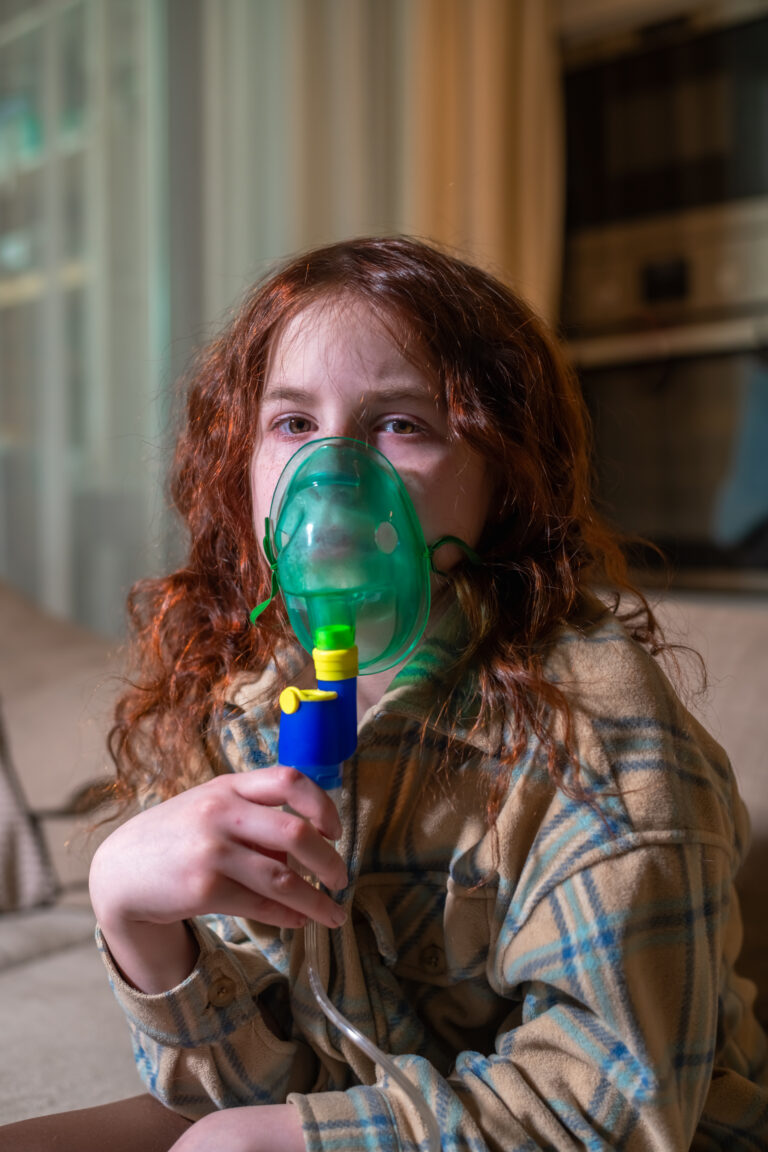
Other edges consist of seizures that last longer than 5 mins, extreme bronchial asthma not reacting to an inhaler, and anaphylaxis with ongoing exposure to an irritant. Your duty is to identify when the clock issues and to rise early.
What high entertainers do after an incident
Performance expands in the aftermath. The very same instructor who practiced month-to-month compressions called me the day after her field-side rescue. She had done well, but she still assessed the series, asked about pad placement on a barrel-chested grownup, and created notes while the memory was fresh. She additionally rested poorly, which is common. Stress and anxiety hormones remain, and replaying events is typical. If you really feel off after an event, speak it through with a colleague or your first aid pro trainer. Concentrate on learning, not blame.
If something failed, determine one procedure improvement. Maybe the AED lagged a secured door, or the address was hard to define to send off. Repair the setting so the following rescuer has one much less challenge. After that, put the experience back on the rack. You are not your last performance. You are an individual that cared enough to act.
Choosing the appropriate supplier and course mix
A legitimate first aid training company uses existing protocols, hands-on practice with feedback devices for CPR, and teachers who can respond to sensible questions without reading from a script. Search for cpr courses that include AED practice with realistic situations and first aid and cpr courses that assign at the very least half the time to skills terminals. If your schedule is limited, blended choices let you total concept online, then do a small in-person abilities session. That structure works well if you like to learn at your very own speed before touching the equipment.
If you lead a group, coordinate your training calendar so not everyone ends at the same time. Startle renewals. Integrate in a ten-minute drill at quarterly safety conferences. Area indications that reveal AED places and encourage a "discover and touch" walk yearly so individuals recognize the route, the door codes, and any obstacles. These small touches make your CPR training live outside the classroom.
The basics distilled
You will certainly forget information. Everybody does. That is great. Maintain the essentials available. Shield the scene and on your own. Call for aid early, with a specific area. Address the most significant threats first: respiratory tract, breathing, severe blood loss, cardiac arrest. Utilize the tools you educated with: stress, tourniquet, recuperation placement, compressions, AED. Keep your kit findable and basic. Exercise small, commonly. Debrief when, discover one point, then allow it go.
The space between theory and technique is not a canyon. It is a series of little steps you can take today. If you have actually not scheduled a refresher, pick a cpr refresher course or a short first aid course that targets your leading threats. If your first aid certificate beings in a cabinet, inspect the expiry and established a tip. If your set has not been opened up recently, open it check here today. If your AED lives behind a door, make certain everybody understands the code. Every one of that counts as first aid, too, due to the fact that it makes care feasible when secs matter.
A last tale that says enough
A few winters months ago, a shipment motorist in his fifties collapsed in a lobby where among my customers had just recently run a first aid and cpr course. 2 employees who had never ever led a rescue before functioned side by side. One began compressions within forty secs, the other brought the AED and placed pads while guiding a 3rd individual to call emergency situation solutions and fulfill -responders at the street. They shocked when, resumed compressions right away, and rotated every 2 minutes. The paramedics arrived to find a perfusing rhythm. The driver lived, went back to work after rehab, and later on checked out the office with a cake he baked himself.
The group did not remember every phrase. They bore in mind where the AED was, exactly how to push set, and how to speak to each various other. They had actually practiced locating the device and opening it. They had a practice of assigning functions with clear, simple phrases. That is the action from concept to exercise. It is not glamorous. It is stable, prepared, and human.
If you are wondering whether your last first aid course prepared you for the genuine point, start with one activity this week. Select a two-minute drill, examine your kit, stroll to your AED, or publication that cpr training you have actually postponed. The remainder will certainly follow.